

A system is how a brand survives growth.
Brand systems aren't the most glamorous part of the job. But they're often the most important. I've spent years building the frameworks, governance structures, and design systems that let creative teams move fast without everything falling apart.




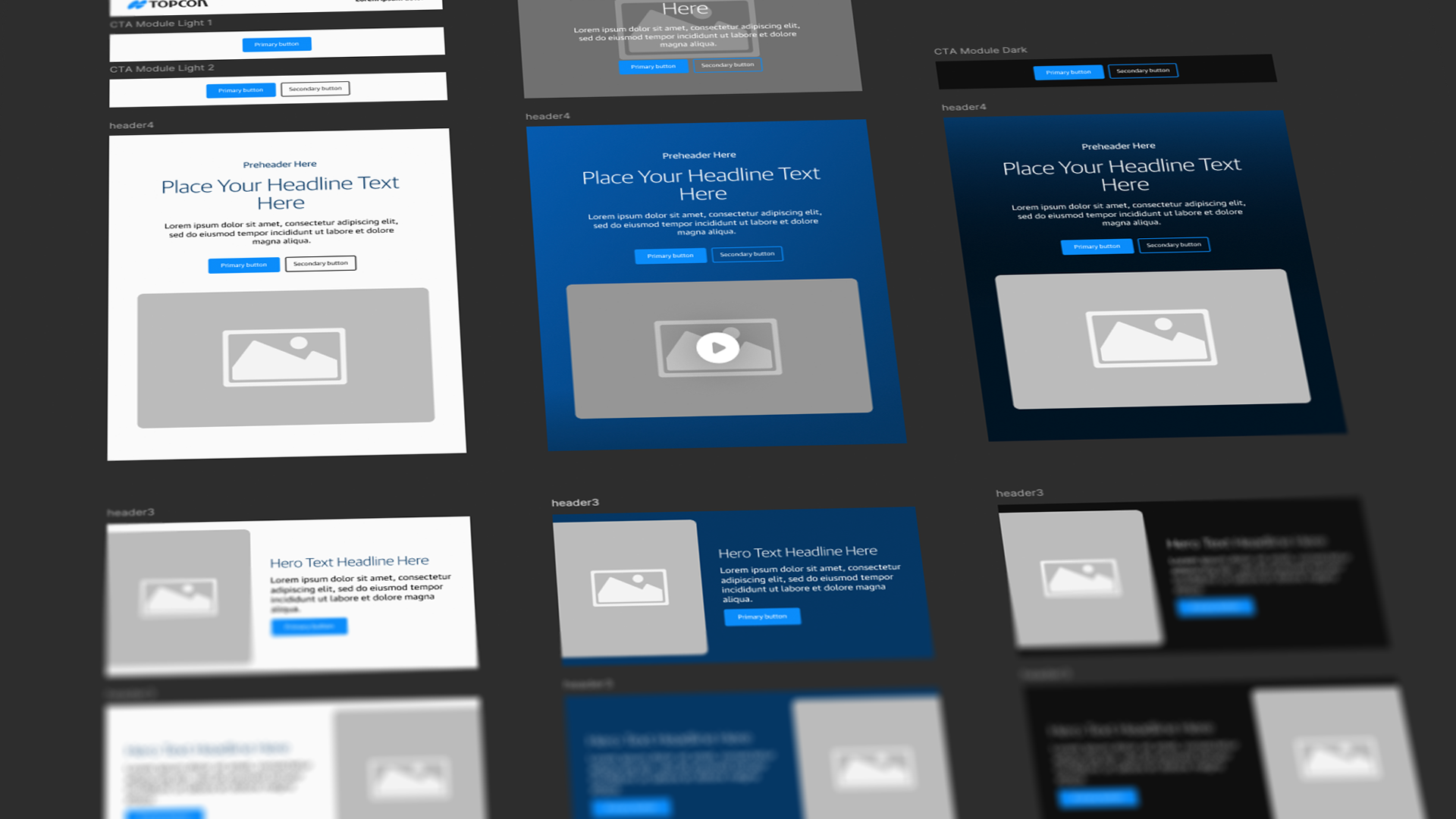
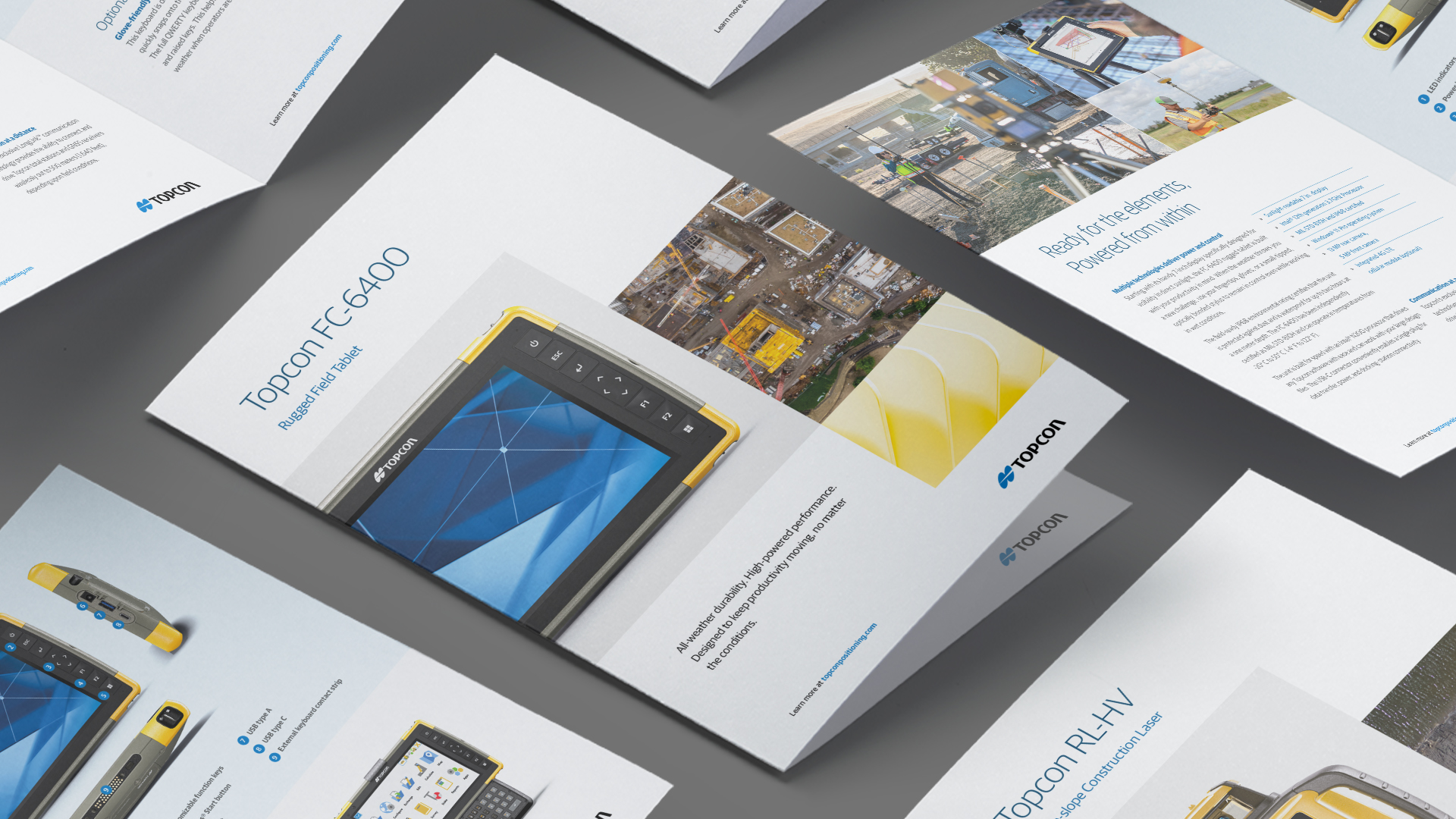
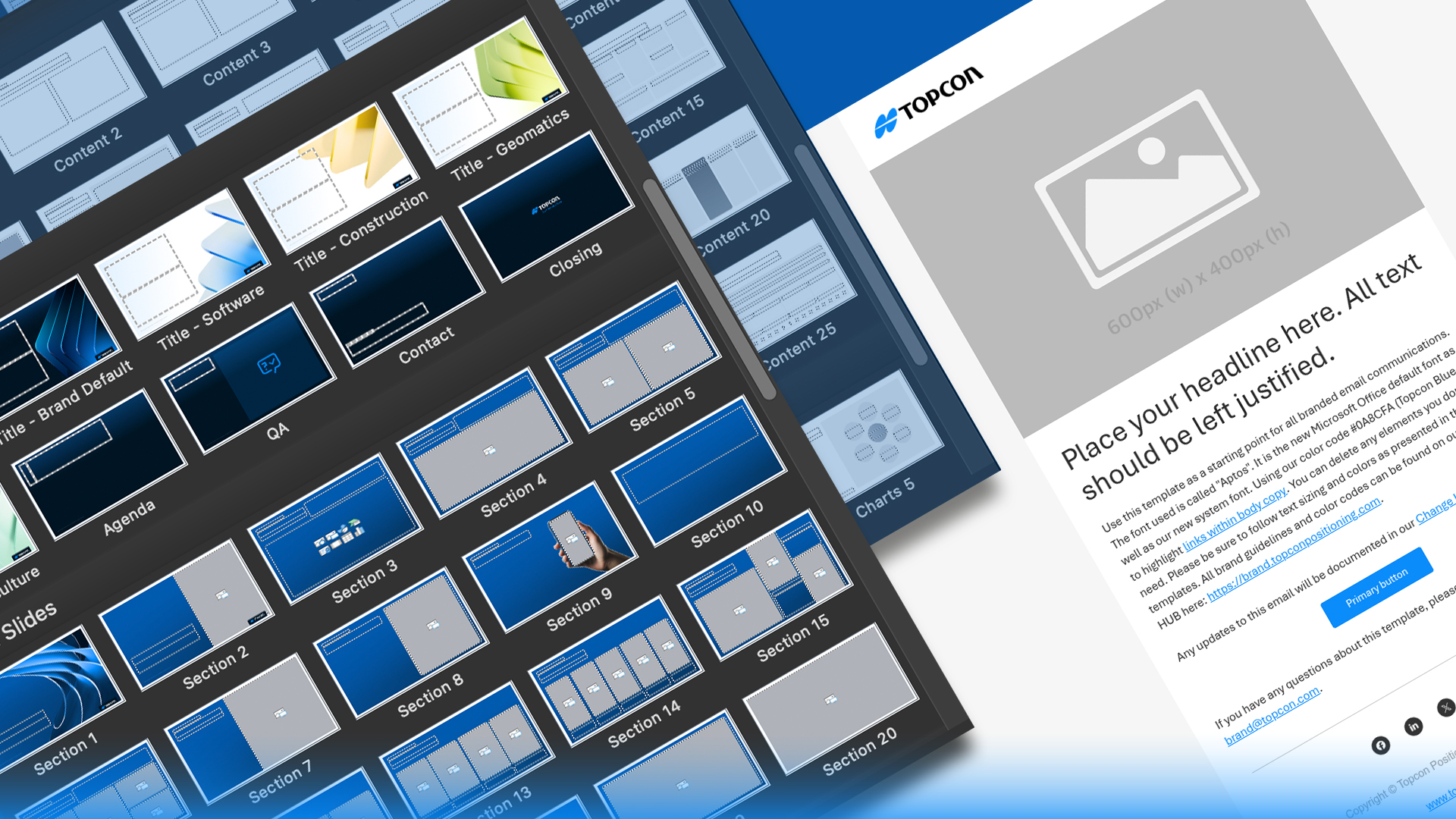

Systems, applied where it actually matters.
A brand system isn't one thing. It shows up differently depending on whether you're talking about identity, physical space, or how decisions get made. Here's where I've built it.
Brand identity systems
A great brand identity system should do more than look good in a portfolio…it should solve real business problems. I design with the entire ecosystem in mind, considering how every element works alongside the next.
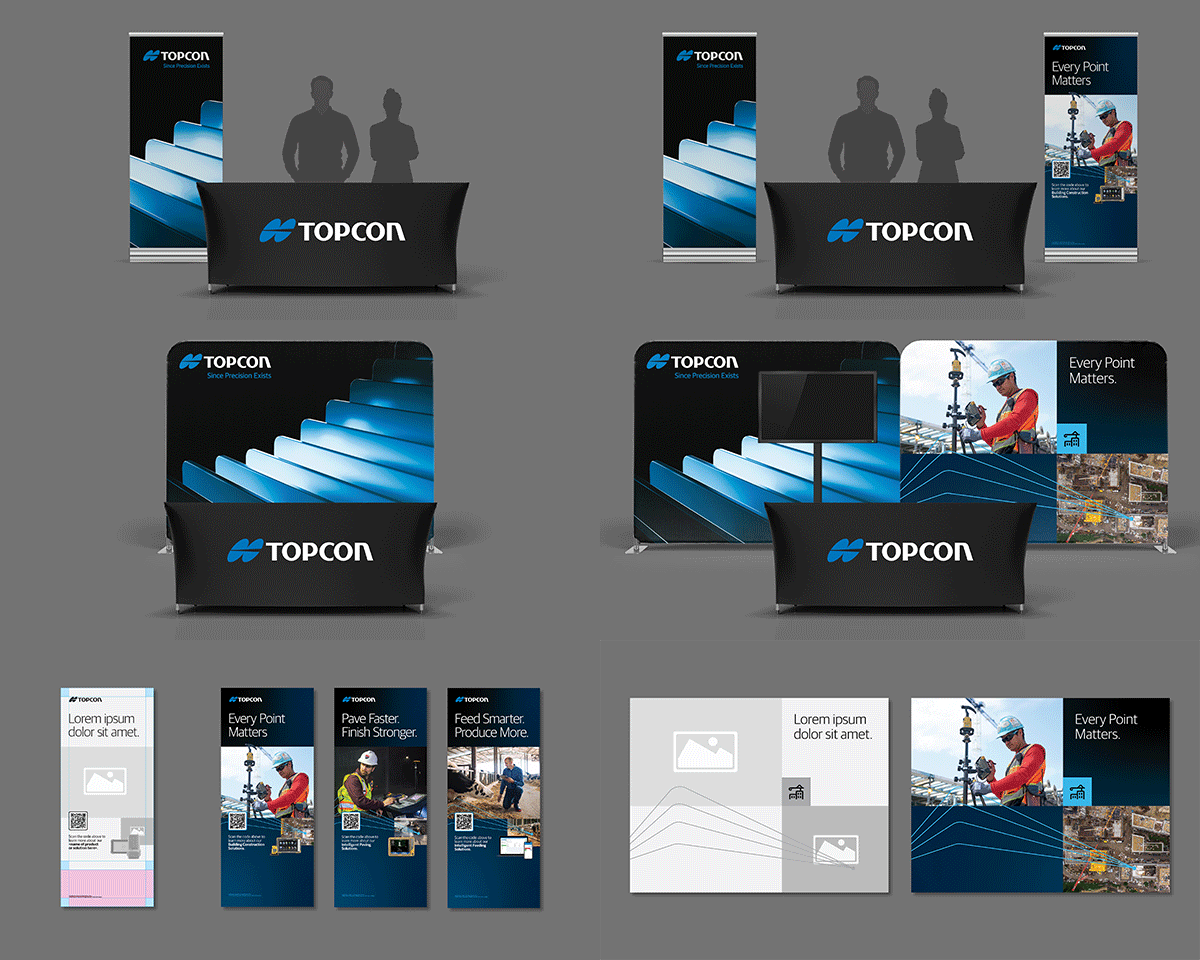
Environmental and experiential systems
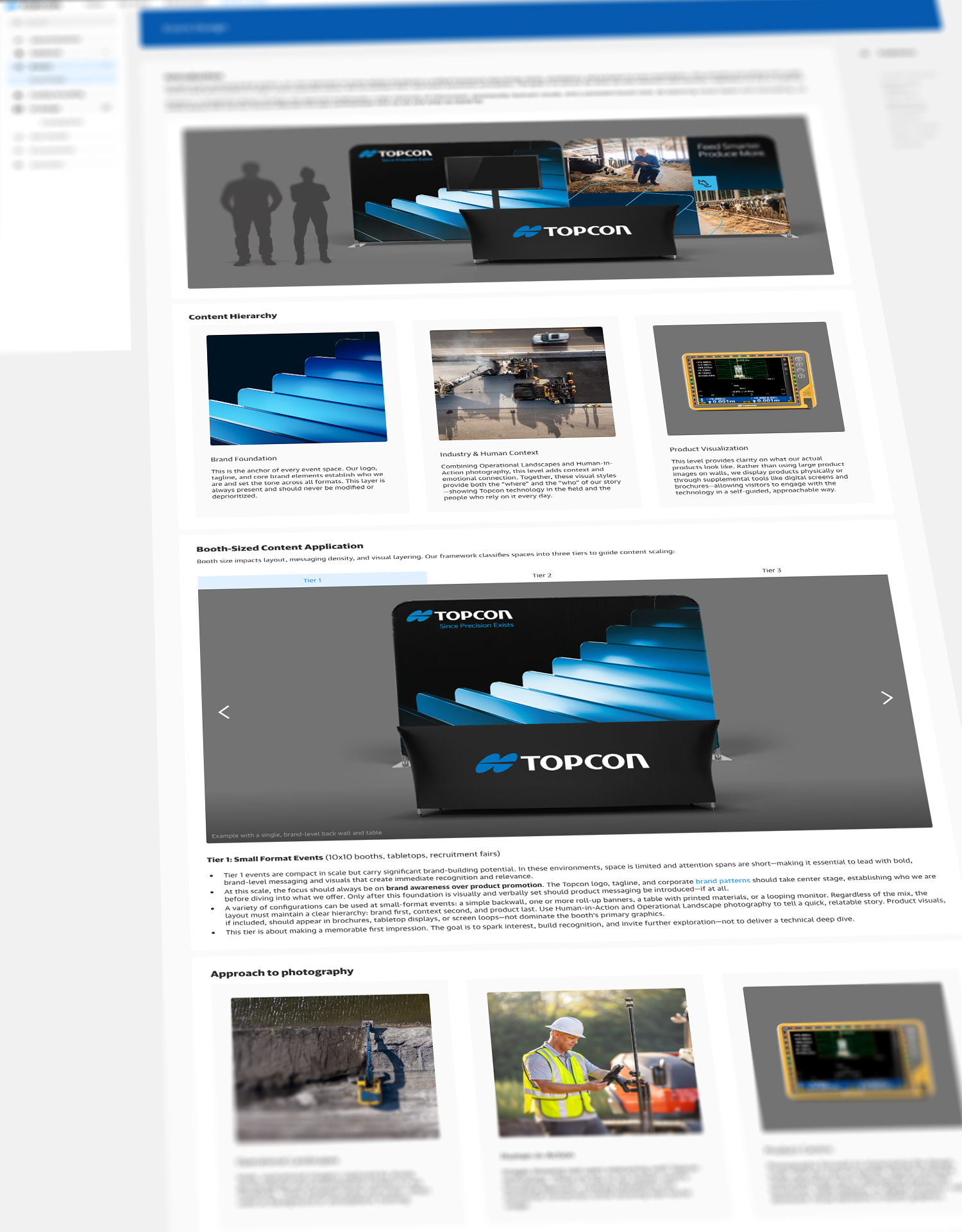
A physical system has to survive contact with a fabricator, a different country, and tight budgets, sometimes all three at once. I design with that reality built in, not just a system that looks good on paper.

Governance and guidelines
Good governance should make my job less necessary, not more. If a team still needs me to approve everything, the system failed. I'd rather build something that holds up without me in the room.
A brand system built for a global organization.
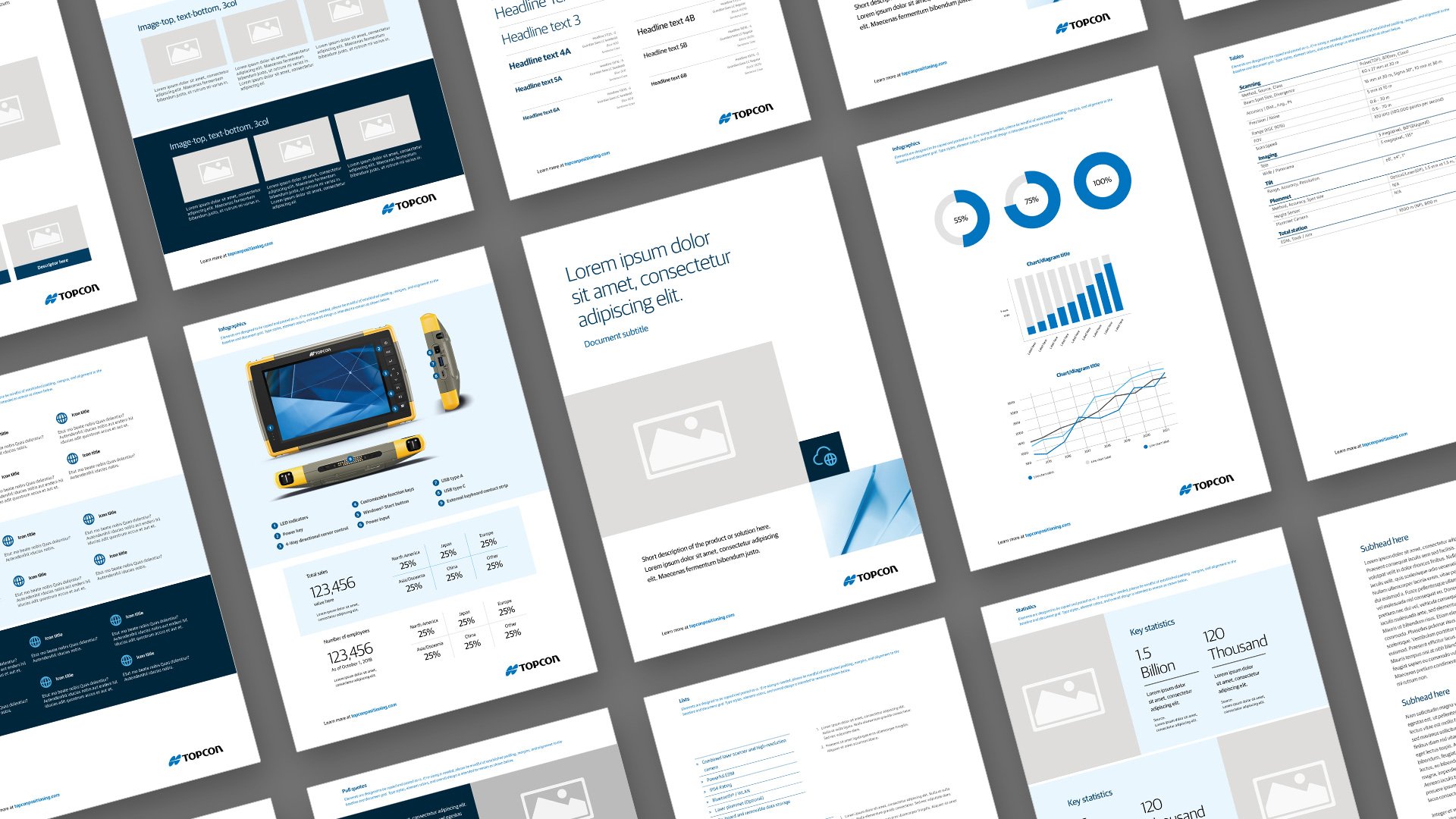
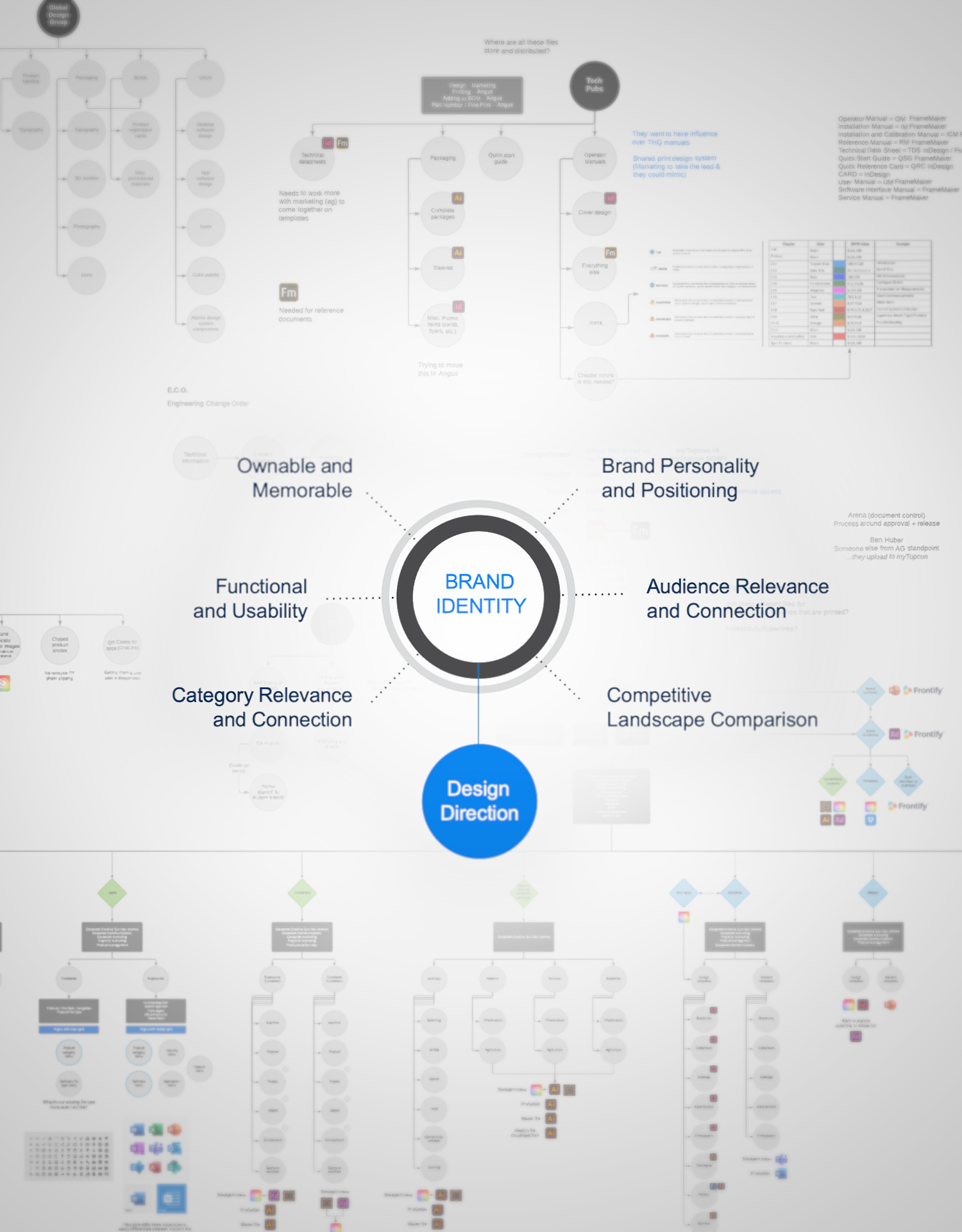
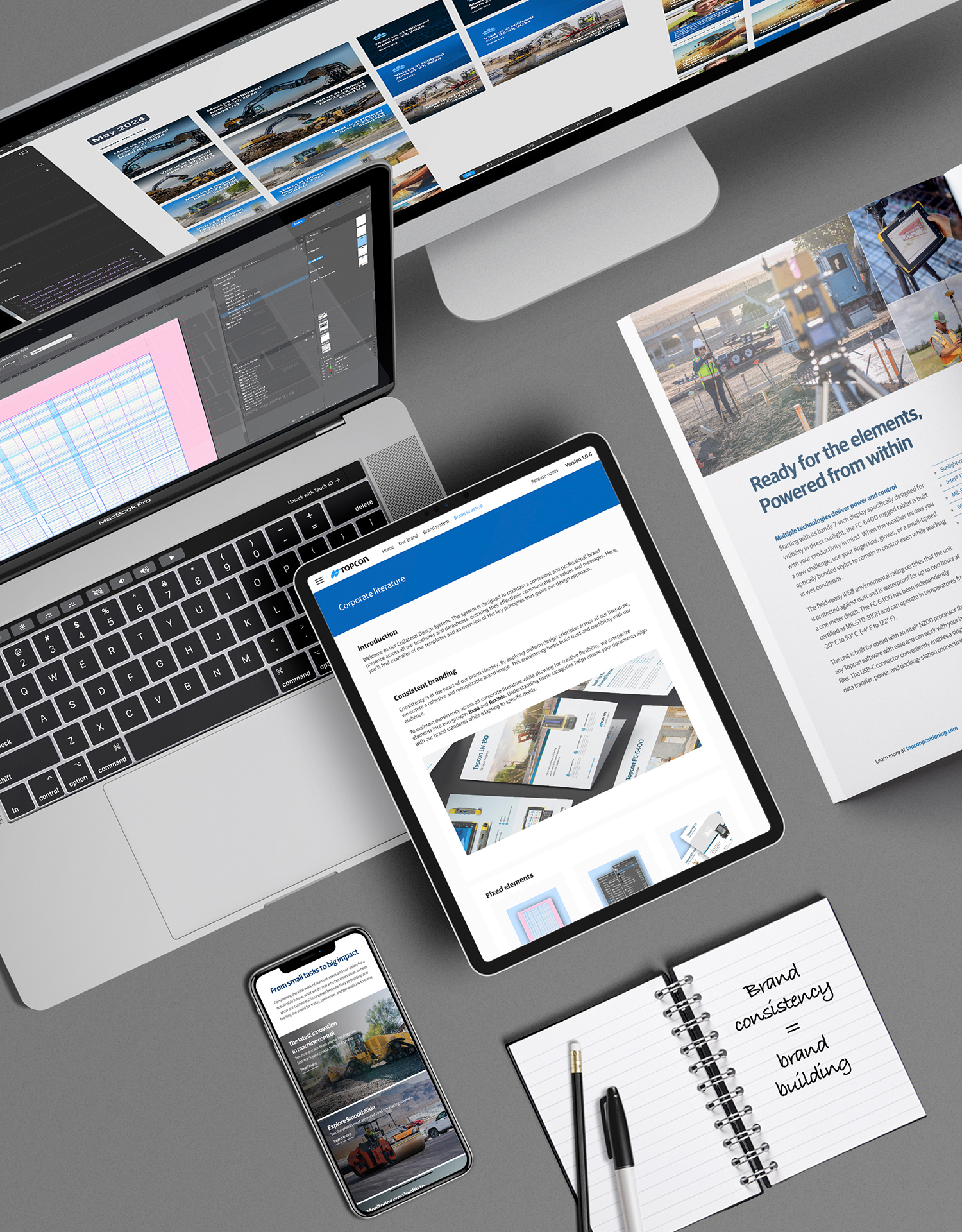
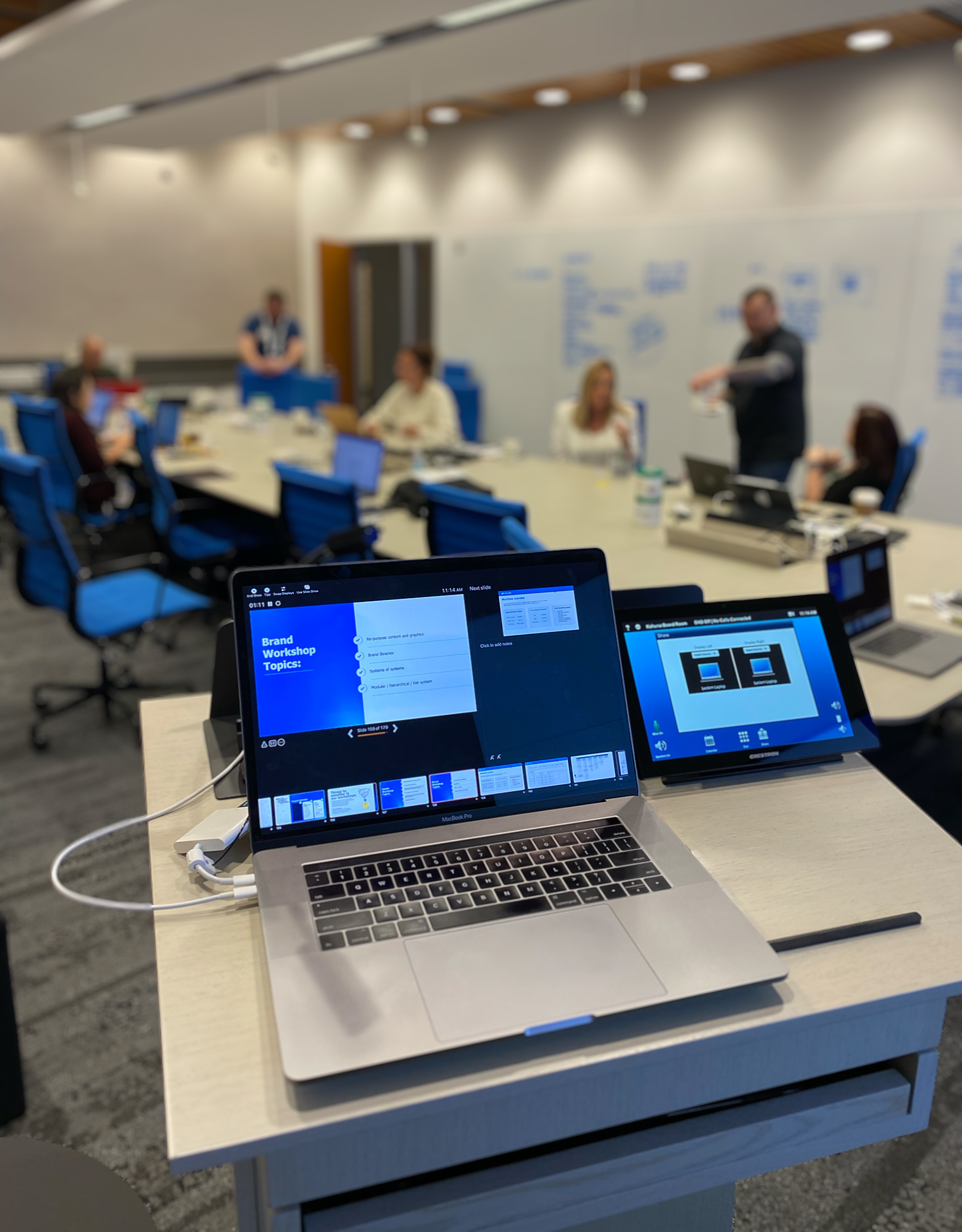
When I joined Topcon, the brand existed in pieces. Different teams, different regions, and different agencies were all making decisions independently. My job was to build something that could hold it all together without crushing the flexibility the teams actually needed to do their work. That meant building not just guidelines, but a whole infrastructure around them—a centralized Brand HUB, a template library, a governance process, and enough training that people could make good brand decisions on their own.
Strategy first
Understanding the organization before designing the system.
Build the infrastructure
Templates, hubs, and processes that teams actually want to use.
Train and empower
Give people the knowledge to make decisions independently and confidently.
Established the core visual language that unified Topcon's global communications
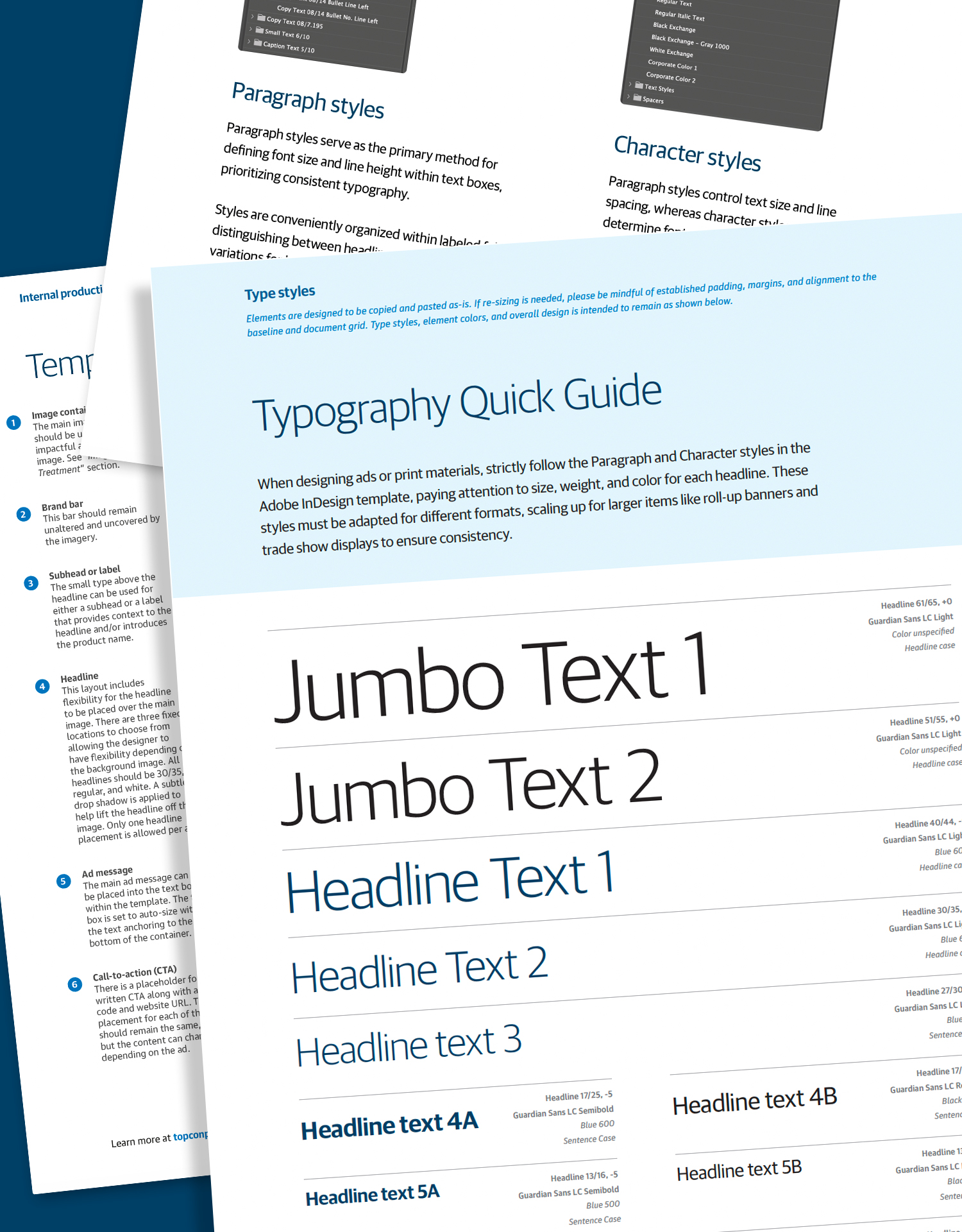
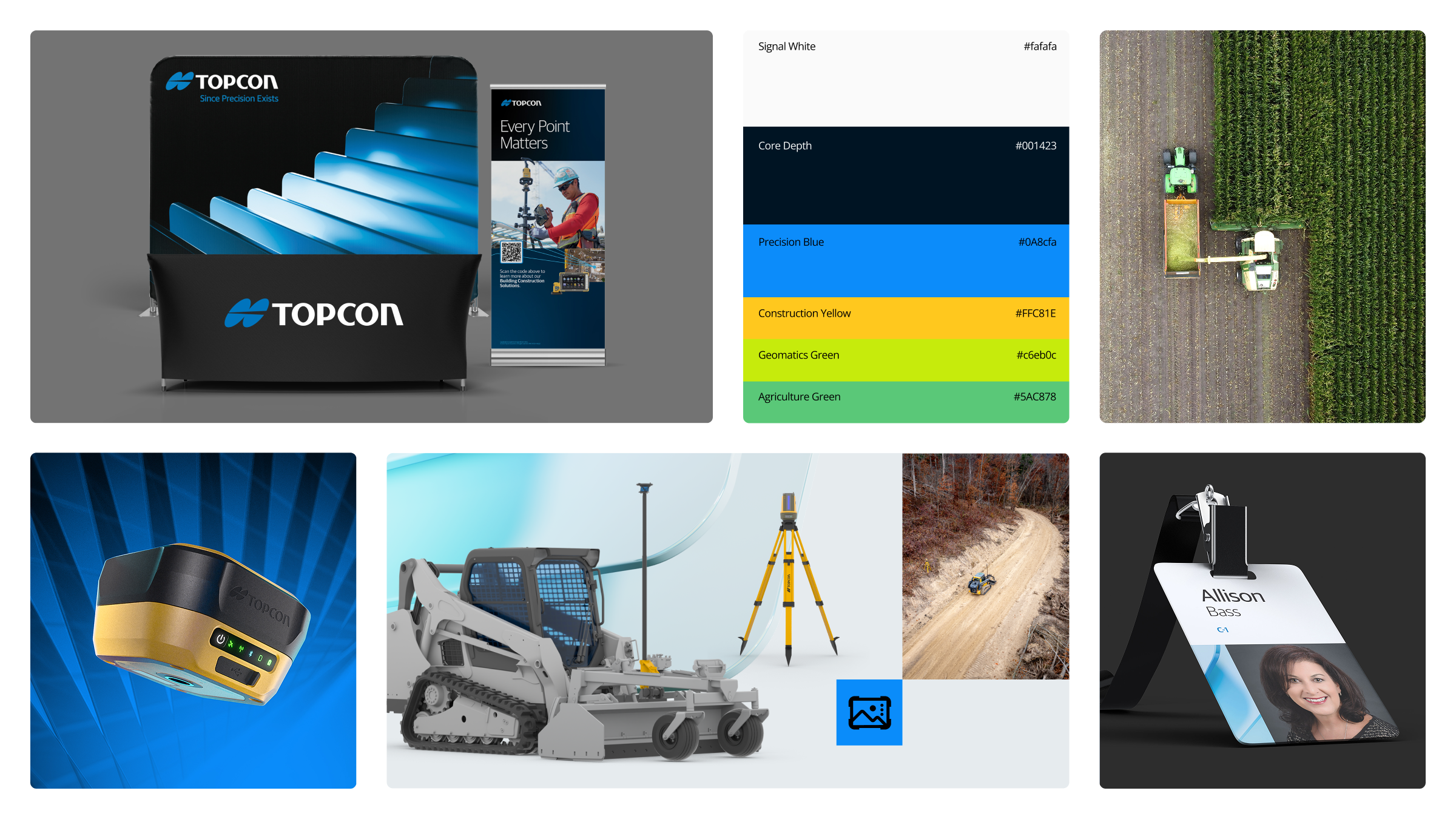
Built and refined the fundamental components that define the brand, including typography, color systems, grid structures, iconography, illustration styles, and visual principles.
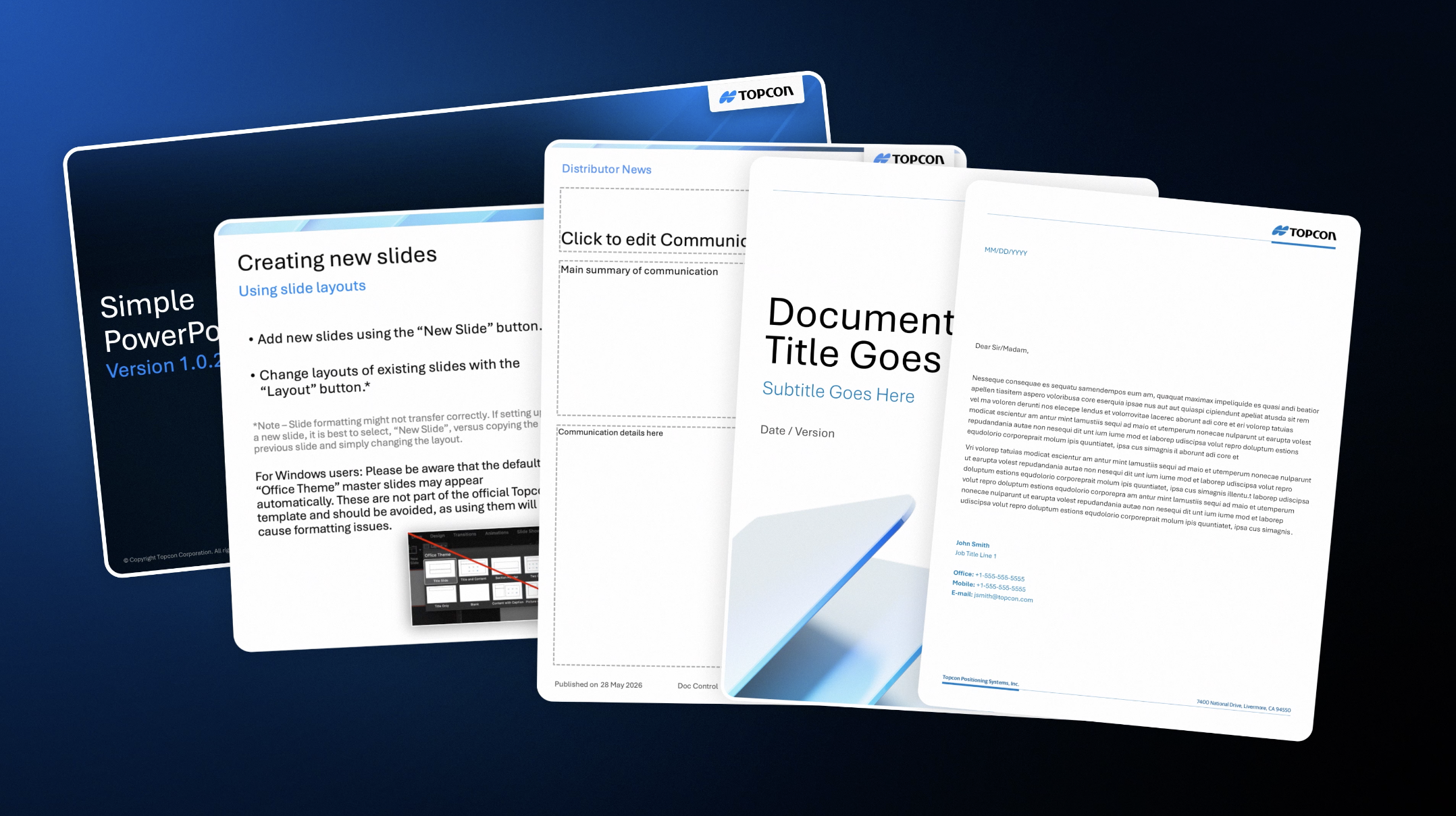
Systems in practice
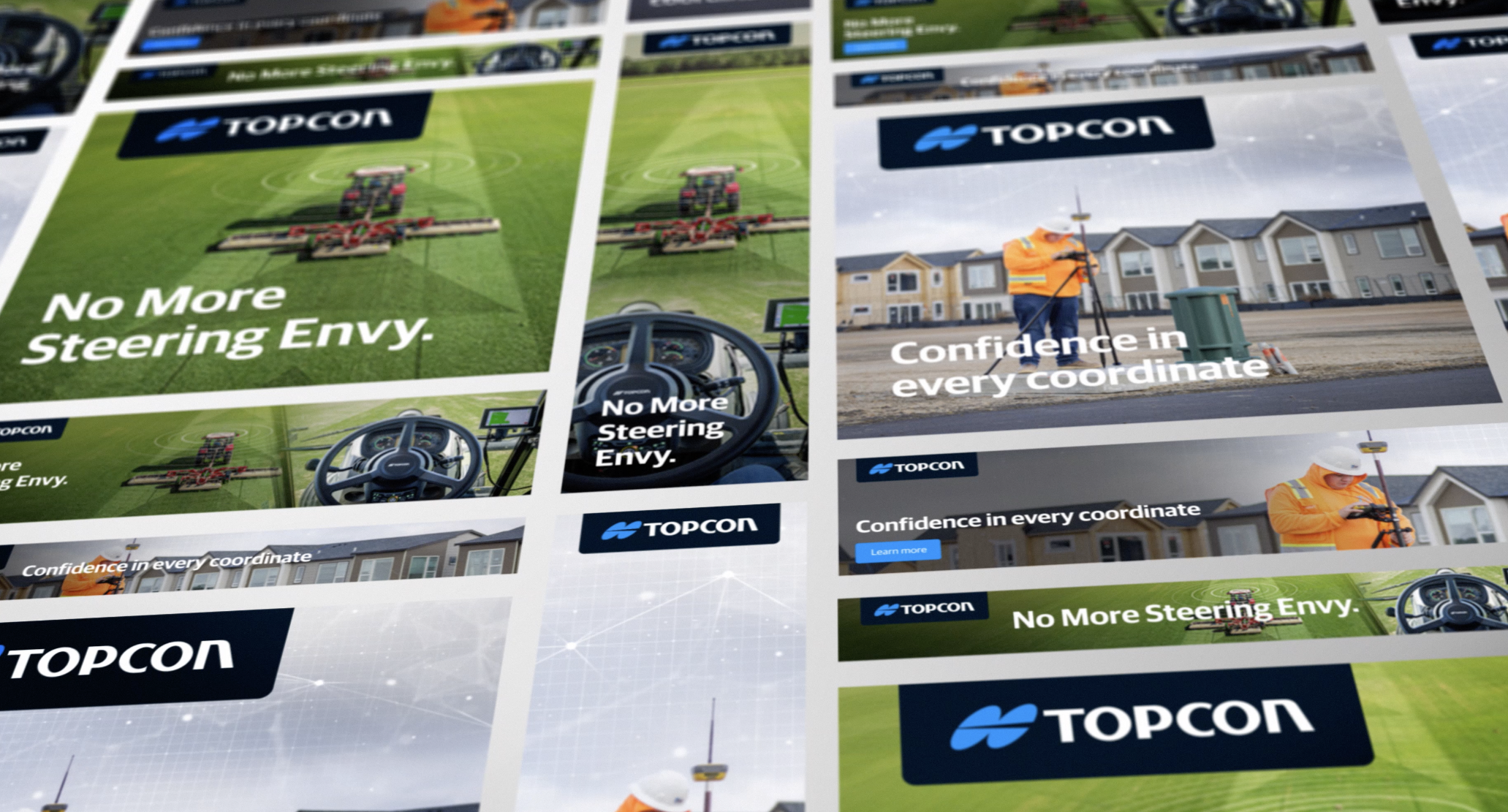
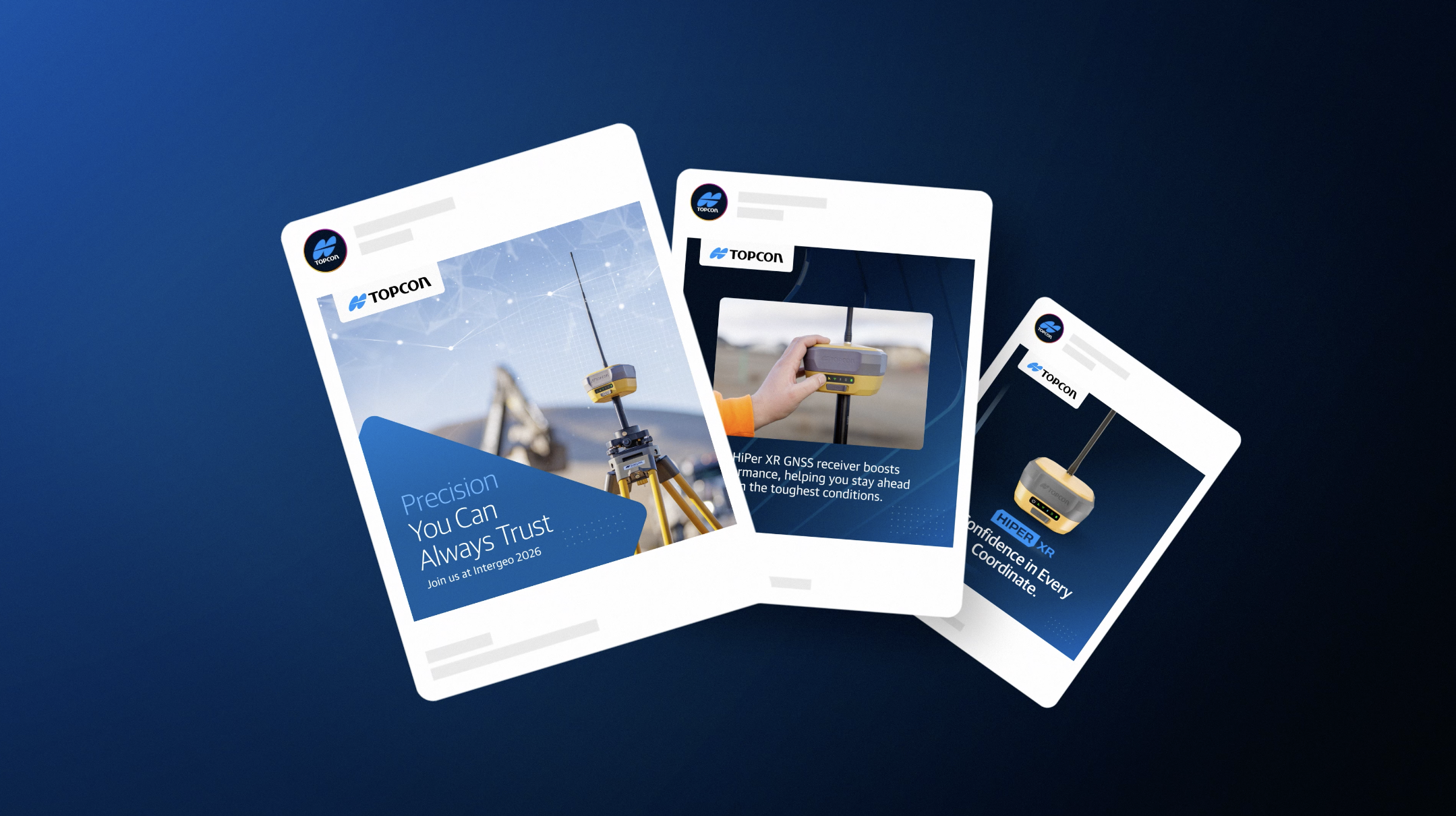
A look at how the brand system shows up across collateral, templates, environmental applications, and digital touchpoints.




What a good system actually gives you.
A well-built system compounds over time. It removes the decisions that don't need to be made, frees up the people who should be creating, and gives the whole organization a consistent way to show up in the world.
Stronger brand equity
When every touchpoint (digital, print, physical, event) feels like it came from the same place, it builds trust. People start to recognize you before they even read your name.
Creative teams that move faster
A good system doesn't slow people down. It removes the low-value decisions so teams can spend their time on the work that actually requires creative judgment.
Consistency without rigidity
The best systems leave room to breathe. They define the rules that matter and stay quiet about the ones that don't, so teams feel empowered rather than constrained.
Sustainable growth
Systems built with scale in mind grow with the organization. A solid foundation means you're not starting from scratch every time.
Need a system that actually works for your team?
If your brand feels inconsistent, your templates aren’t being utilized, or your team is reinventing the wheel on every project, I’ve seen that issue before and I can provide a solution.